AGP Executive Report
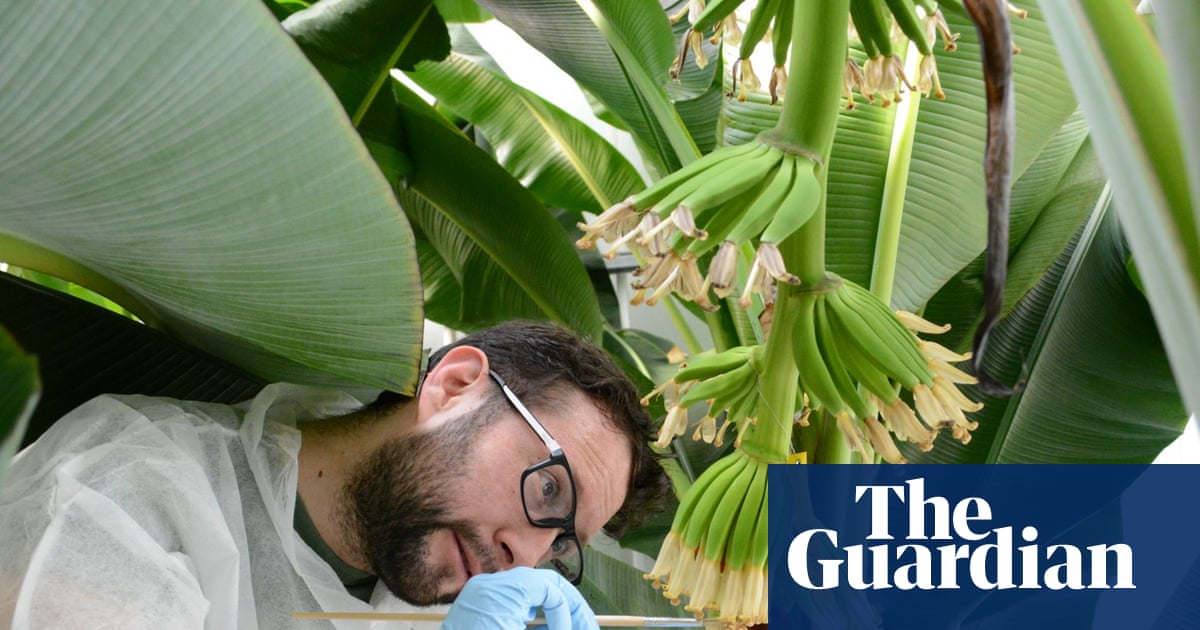
Last update: 4 hours agoPower and Climate: Heavy rain has boosted output at Ecuador’s Coca Codo Sinclair hydroelectric plant as production at Mazar falls, underscoring the country’s exposure to swings in rainfall. Scientists are also warning that a strong El Niño could bring more floods, heat and disruption across South America. Banana Research: Guayaquil’s Banana Time 2026 will bring the industry together to address sustainability and supply-chain challenges in one of Ecuador’s key export sectors. Ecuador Science: Researchers have recreated the face of a 3,000-year-old man from Ecuador, while a survey recorded 82 species of macrofungi in a park in Quito—adding to knowledge of the country’s archaeological past and urban biodiversity. Telecoms: Claro Ecuador reported third-quarter sales growth of 4% and added 178,000 subscribers.
Note: AI summary from news headlines; neutral sources weighted more to help reduce bias in the result. Feedback is welcome. Please let us know if you have any comments or suggestions about the AGP Executive Report.

 Perspectify News